Switches Database

Linear Switches

Linear switches provide smooth, uninterrupted key travel without a tactile bump or click mechanism. Browse current linear keyboard switches by force, travel, sound, lubrication, mounting configuration and availability to find the feel that best matches your keyboard and typing style.

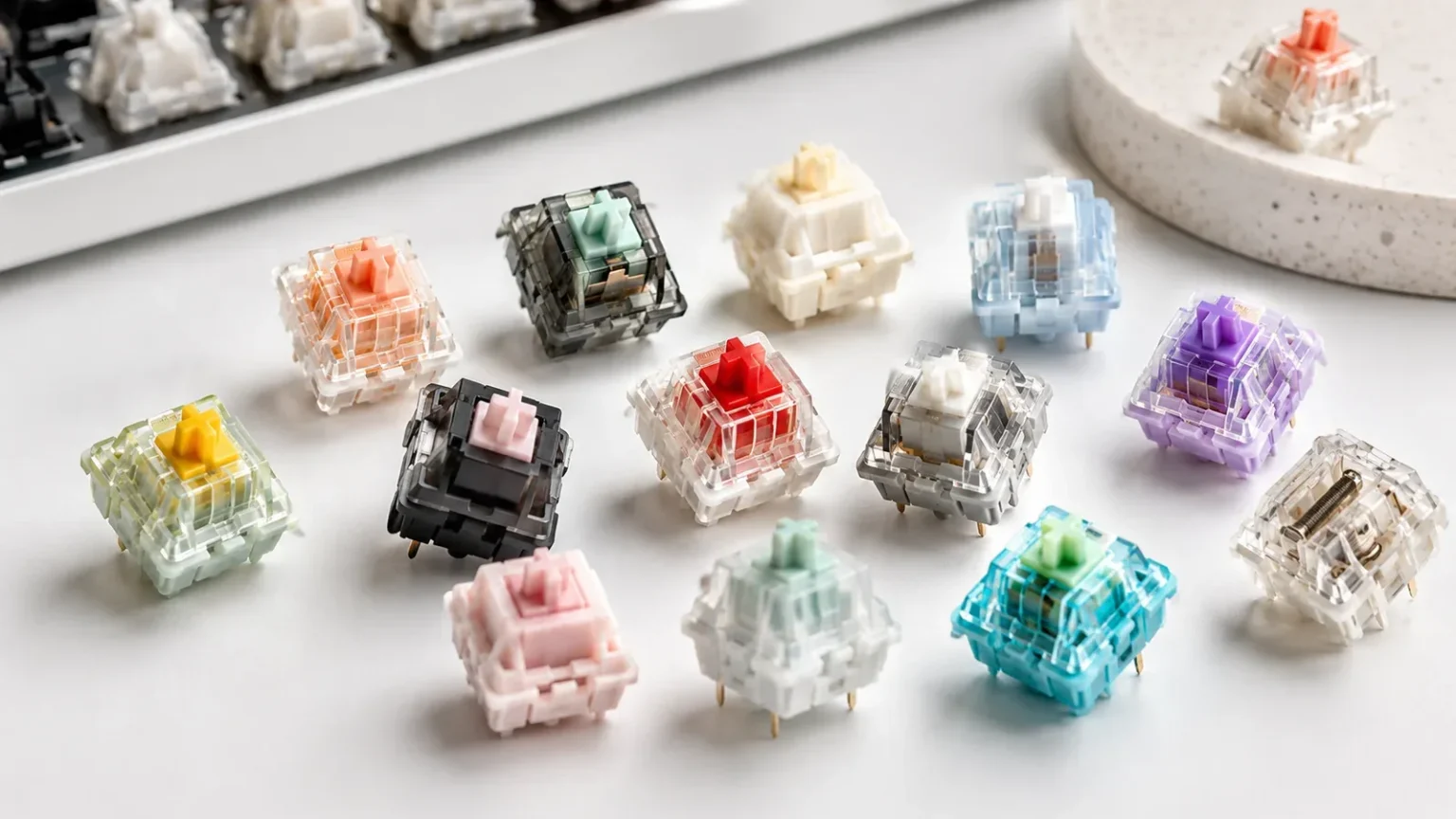
Mechanical keyboard switches in different colors and styles
15 switches
Linear

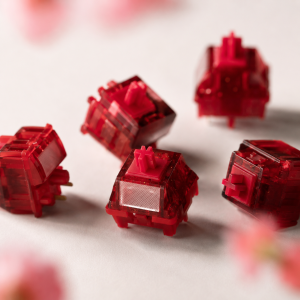
JKDK × HMX Blossoms Linear Switch

HMX
  • Force42 gf
  • SoundDeep, creamy, thocky; medium-pitch tendency
  • LubedYes
  • StatusIn stock
  • TypeLinear
  • Op. Force42 gf
  • SoundDeep, creamy, thocky; medium-pitch tendency
  • LubedYes
  • AvailabilityIn stock
  • Bottom-outNot specified
  • Pre-travelNot specified
  • Total Travel3.7 mm
  • Mount5-pin
  • Best ForNot specified
Linear

GATERON Magnetic Jade Ultra HE Switch Set

GATERON
  • Force30
  • SoundBuild-dependent; dual back-covered design targets mechanical-like acoustics
  • LubedYes
  • StatusIn stock
  • TypeLinear
  • Op. Force30
  • SoundBuild-dependent; dual back-covered design targets mechanical-like acoustics
  • LubedYes
  • AvailabilityIn stock
  • Bottom-out40
  • Pre-travelFreely Adjustable
  • Total Travel3.2
  • Mount5-pin
  • Best ForNot specified

Choosing a Linear Switch

Linear keyboard switches are defined by smooth travel through the keypress without a tactile bump or dedicated click mechanism. The best choice depends on how light or firm you want the switch to feel, how far it travels, how much sound it produces and whether it fits your keyboard.

Look for Smooth, Consistent Travel

A linear switch moves through the keystroke with relatively consistent resistance. This makes linear switches a common choice for buyers who prefer uninterrupted motion rather than a noticeable tactile event during each press.

Compare Force and Travel

Operating force affects how light or firm a linear switch feels. Pre-travel and total travel describe when the switch actuates and how far it moves before bottom-out. These measurements can make two linear switches feel very different even when both belong to the same broad switch type.

Consider Sound and Lubrication

Linear does not automatically mean silent. Housing design, stem design, materials, lubrication and the keyboard itself can all affect sound. Factory lubrication may also change smoothness and acoustic character, so compare the actual product data rather than assuming all linear switches behave alike.

Check Keyboard Compatibility

Before ordering, confirm switch technology, mounting configuration and pin count against your keyboard PCB and hot-swap socket. Use the filters above to compare current linear switches by force, travel, sound, lubrication, mount and availability.

For current examples, compare JKDK × HMX Blossoms and KEYGEEK Y2 alongside the filters above.

Check Sound, Mount and Compatibility Before You Buy

Sound descriptions such as quiet, deep, clacky or creamy can help narrow choices, but the finished keyboard matters as much as the switch. Housing and stem materials, lubrication, plate, keycaps, case construction and mounting style all influence the final sound. Treat sound profile as a comparison aid rather than a guaranteed result. Before ordering replacement or custom keyboard switches, confirm the switch technology, 3-pin or 5-pin mount, PCB and plate support, and whether the keyboard is hot-swappable. An MX-style keycap stem does not by itself guarantee PCB or socket compatibility. Factory lubrication can reduce preparation before installation, but lubrication quality varies by model. Finally, check the pack quantity against the exact keyboard layout and consider a few spare switches for testing or future replacement. These compatibility checks are more reliable than choosing a switch from its color, marketing name or sound description alone.

Frequently Asked Questions

What are linear switches?
Linear switches are mechanical keyboard switches that move through the keypress without a tactile bump or dedicated click mechanism. Their feel is generally defined by smooth, continuous travel.
What is the difference between linear and tactile switches?
Linear switches provide uninterrupted travel, while tactile switches add a noticeable feedback event during the keypress. Neither is automatically better; the choice depends on the feel you prefer.
Are linear switches good for gaming?
They can be. Many players prefer smooth linear travel for repeated inputs, but force, travel and personal preference matter more than a generic gaming label.
Are linear switches good for typing?
Yes, if you prefer smooth travel without tactile feedback. Some typists prefer tactile switches for a more noticeable response, so the better option depends on personal preference.
Are linear switches quiet?
Not necessarily. A linear mechanism removes the dedicated click of a clicky switch, but overall sound also depends on the switch design, materials, lubrication, keyboard case, plate and keycaps.
What operating force should I choose for a linear switch?
Lower-force switches generally feel lighter, while higher-force switches require more pressure. Compare the published force specification with your preferred typing or gaming feel rather than choosing by color alone.
Do factory-lubed linear switches feel smoother?
Factory lubrication can reduce friction and change sound, but results vary by switch design and lubrication quality. Check the individual product specification instead of assuming every factory-lubed switch feels the same.
Are linear switches hot-swappable?
A switch can only be installed without soldering when the keyboard uses a compatible hot-swap PCB and socket. Always confirm switch technology, pin count and PCB compatibility.

Find Your Linear Switch

Compare current linear switches by force, travel, sound, lubrication and mounting configuration, then choose the option that best fits your keyboard.