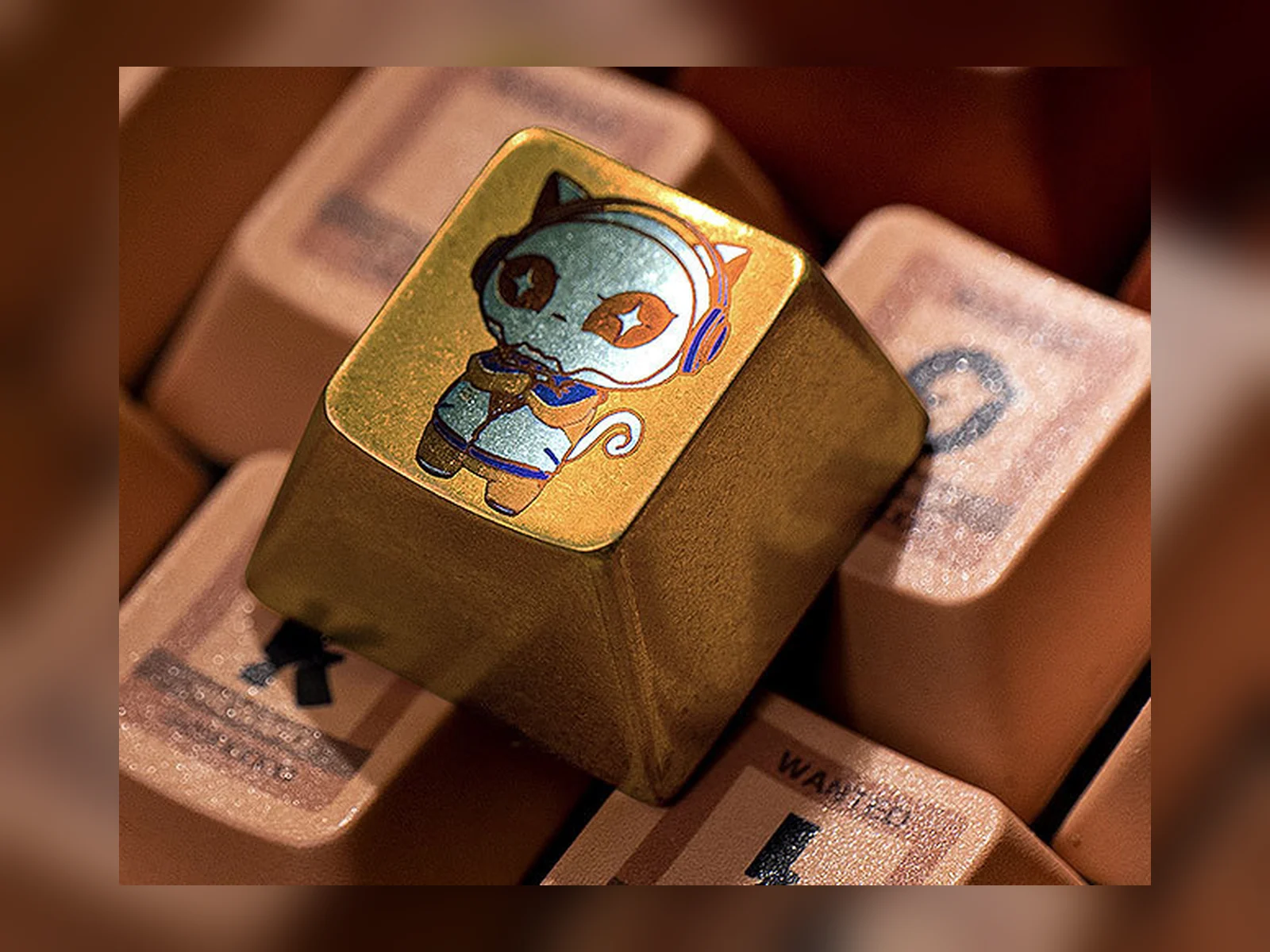
A strong fit if you want
- Adding one metal artisan accent without replacing a full keycap set
- ESC or another compatible 1u top-row position
- AKKO-themed and collector-oriented mechanical keyboard builds
No products in the cart.
Confirm MX-style stem + 1u key size + Cherry R4 profile/placement.
ESC
compatible 1u top-row position
Plan this as a single 1u accent key, not a complete set. Check the Cherry R4 height against adjacent keys; an MX-style stem alone does not ensure a matching row profile. A compatible 1u Escape position is a practical placement when mixing profiles.
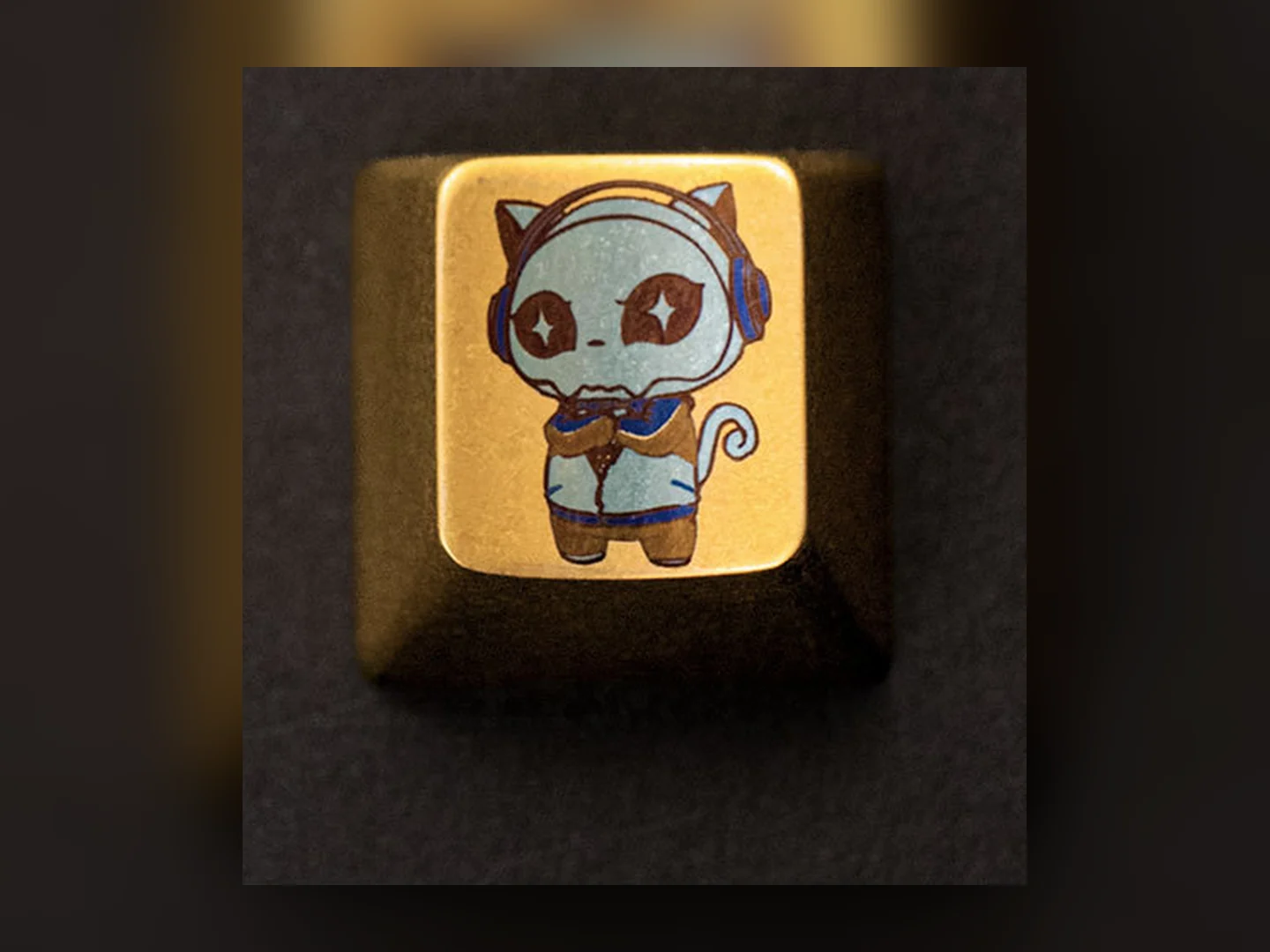
MATERIAL & FINISH
AKKO specifies titanium alloy with titanium anodizing. The official product page describes the anodized surface as vivid, corrosion-resistant and scratch-resistant.
For buyers comparing metal artisan keycaps, that material-and-finish combination is the main reason to choose this model over a conventional plastic accent cap.
Bottom line: This is a material-led artisan upgrade: one metal keycap designed to stand out visually rather than a full-board replacement set.
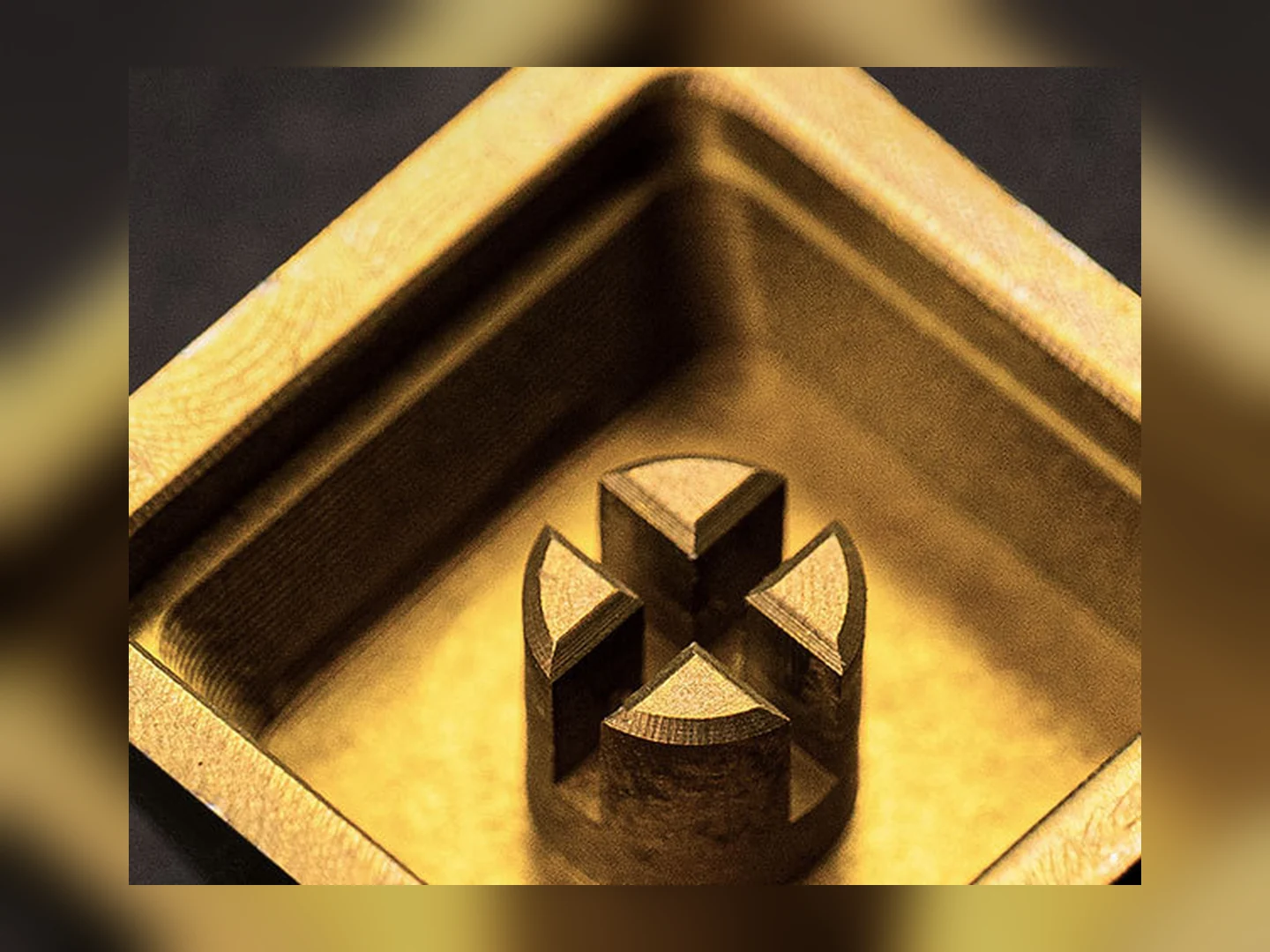
SIZE & PROFILE
The cap is specified as 1u in Cherry profile, R4 row. A 1u footprint is common for single keys such as ESC, but profile and row shape still affect how the cap sits next to neighboring keycaps.
If your current set uses another profile—or if you place the cap on a different row—the height can look uneven.
What it means: Match the 1u footprint first, then consider Cherry R4 height before choosing the final key position.
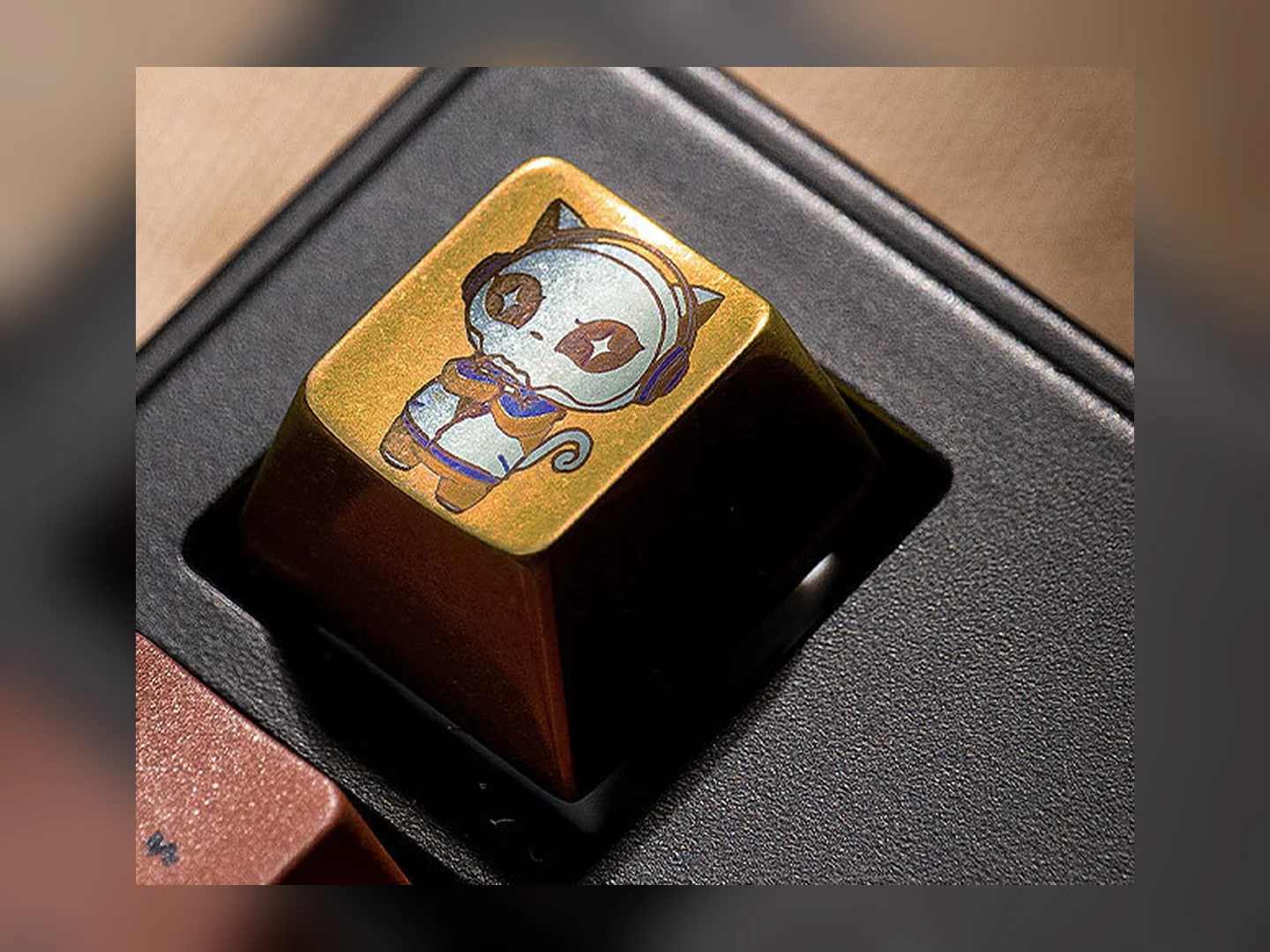
STEM COMPATIBILITY
AKKO uses a regular MX-style cross stem. That covers many mechanical switches built around the Cherry MX-style stem standard, but it does not mean the artisan automatically fits every keyboard position.
The target key must still use a compatible 1u cap, and unusual stems or non-standard key sizes need separate checking.
Build note: Verify the switch stem and the physical key position instead of relying on “mechanical keyboard compatible” as a blanket claim.
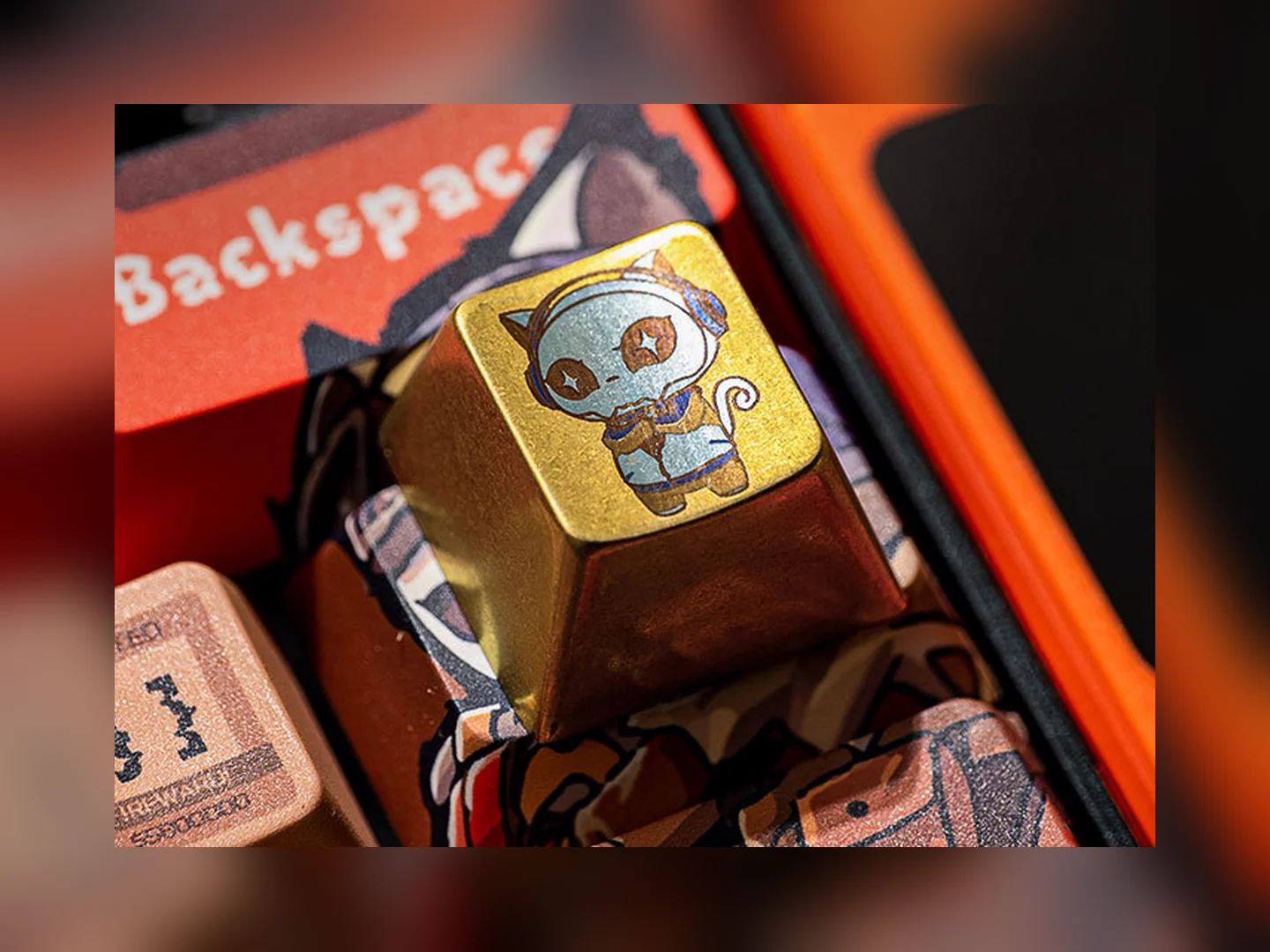
PLACEMENT
AKKO warns that mixing this artisan with keycaps of other heights or profiles may create uneven row heights. That is why ESC is a sensible default: it is commonly a 1u top-row key and is visually separated from most typing keys.
You can use another compatible 1u position, but ESC gives the design room to stand out while minimizing profile mismatch with adjacent rows.
Decision note: Treat placement as part of compatibility, not just styling.
No. This product is one 1u artisan keycap. It is intended as a single accent key, not a complete replacement set for a keyboard.
AKKO specifies titanium alloy with titanium anodizing. AKKO describes the anodized surface as corrosion-resistant and scratch-resistant.
It uses Cherry profile in the R4 row. R4 is a top-row profile, which is one reason ESC is a common placement for this cap.
AKKO specifies a regular MX-style stem. For a proper fit, also confirm that the target key position uses a 1u keycap. Non-MX stems or unusual key sizes require separate checking.
The stem determines how the keycap mounts to the switch, but the key position also has to match the cap's 1u size. Profile and row height matter too if you want the artisan to sit naturally beside your existing keycaps.
ESC is the most straightforward choice on many keyboards because it is commonly a 1u top-row key. AKKO also notes that this placement helps reduce the visual impact of mixing different keycap heights or profiles.
AKKO EU lists the keycap at 6.2 g. This is the product weight of the keycap itself, not a packed shipping weight.
Only one artisan keycap is confirmed by the supplied fulfillment evidence. A puller or other accessory should not be assumed to be included unless the final fulfillment source explicitly lists it.